
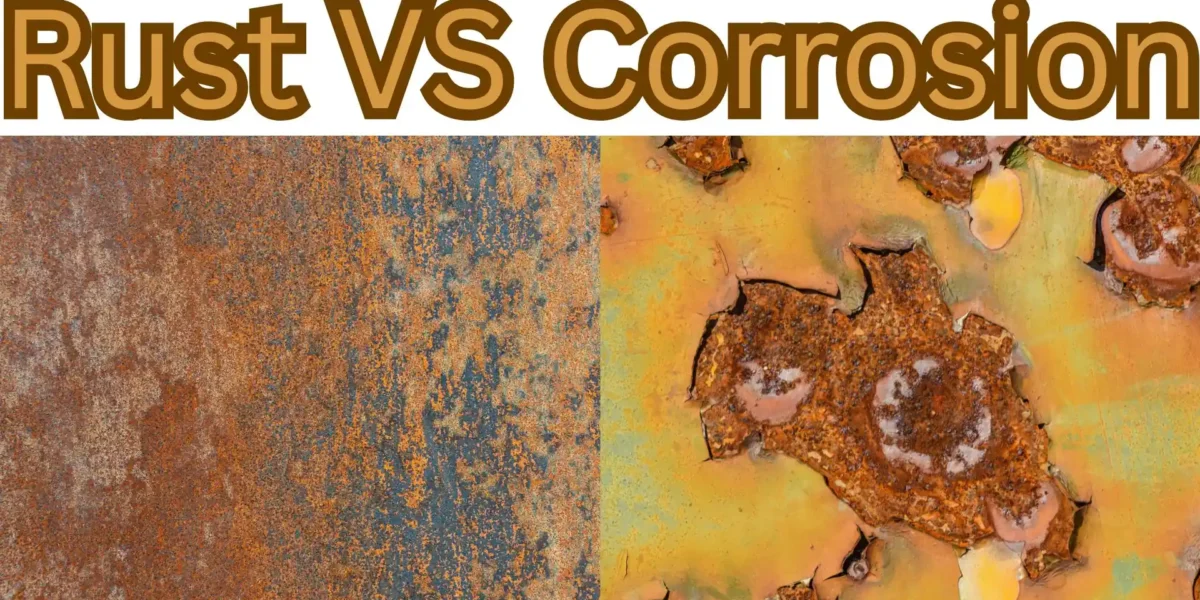
May You have used the words rust and corrosion at some point — maybe when you spotted that orange flaky stuff on an old gate, or noticed your car’s bumper looking a little rough. Most people use these two words like they mean the same thing. And honestly, that makes sense. They do look similar. Both damage metal. They both seem like things you want to avoid.
But here is the thing — rust and corrosion are not the same. One is a specific type of the other. Think of it like squares and rectangles. All squares are rectangles, but not all rectangles are squares. In the same way, all rust is corrosion, but not all corrosion is rust.
Once you understand this difference, everything else about metal damage starts to make a lot more sense. You will know why some metals never rust but still fall apart over time. You will understand why the word “rust” does not belong in conversations about aluminum or copper. And you will be better at spotting, preventing, and dealing with metal damage around your home.
This guide is written for people who are just starting to learn about rust and corrosion. No chemistry background needed. Just plain, clear language and useful examples from everyday life.
In Simple Words
Corrosion is the big category. It is the general process where a material — usually metal — breaks down or weakens because of a chemical reaction with its environment. That environment could be water, air, salt, acids, or other chemicals.
Rust is a specific type of corrosion. It only happens to metals that contain iron. When iron or steel comes into contact with water and oxygen over time, it reacts and forms a reddish-brown substance. That substance is rust. Its scientific name is iron oxide, and the chemical formula is Fe2O3.
So when you see that orange, flaky coating on an old nail, a garden gate, or the underside of a car — that is rust. But when a copper roof turns green over the years, or an aluminum window frame gets a white powdery buildup, that is corrosion too — just a different kind.
What Is Corrosion ?
Corrosion is a natural process. It happens because metals want to return to a more stable, natural state. When metals are made, energy is used to refine them from raw ores found in the ground. Once those metals are out in the open world, they are always slowly trying to go back to that original state.
This process is a chemical reaction. The metal reacts with something in its surroundings — oxygen in the air, moisture, salt water, acids, or even certain soils. Over time, this reaction weakens the metal’s structure and changes its surface.
Corrosion happens to a wide range of metals, not just iron and steel. Here are some common examples:
- Copper corrodes and turns green — this is called patina. You see it on old statues and copper roofs.
- Aluminum corrodes and forms a white, chalky layer. Unlike rust, this layer actually protects the metal underneath.
- Silver tarnishes — that dark coating on old silverware is a type of corrosion caused by sulfur in the air.
- Zinc corrodes in a process called white rust when it gets wet and cannot dry properly.
- Iron and steel corrode to form rust — the most well-known type of corrosion.
Every one of these is corrosion. But only the iron and steel version is rust.
What Makes Rust Different From Other Types of Corrosion?
Rust stands out from other types of corrosion for a few key reasons.
IS It Only Happens to Iron-Based Metals?
The most important difference is that rust is exclusive to iron and metals that contain iron — like steel. If a metal does not have iron in it, it cannot rust. Period.
Stainless steel is a bit of a special case. It contains iron but also has chromium added to it. That chromium creates a thin protective layer on the surface that resists rust. It does not make the metal completely rust-proof, but it makes it much more rust-resistant than regular steel.
Rust Is Destructive — It Spreads and Weakens
One of the biggest problems with rust is that it does not stay in one place. It expands. Rust takes up more space than the original iron, so as it forms, it pushes outward. This causes the metal to flake, crack, and eventually break apart.
Some other types of corrosion are actually self-limiting. Aluminum is a good example. When aluminum corrodes, it forms a thin layer of aluminum oxide on the surface. That layer is actually very hard and sticks tightly to the metal beneath it. It acts like a protective coating, slowing down or stopping further corrosion underneath.
Rust does not do this. The flaky, porous layer it creates allows more water and oxygen to pass through and keep reacting with the metal below. So rust keeps going deeper and deeper if left untreated.
Rust Has a Distinctive Look
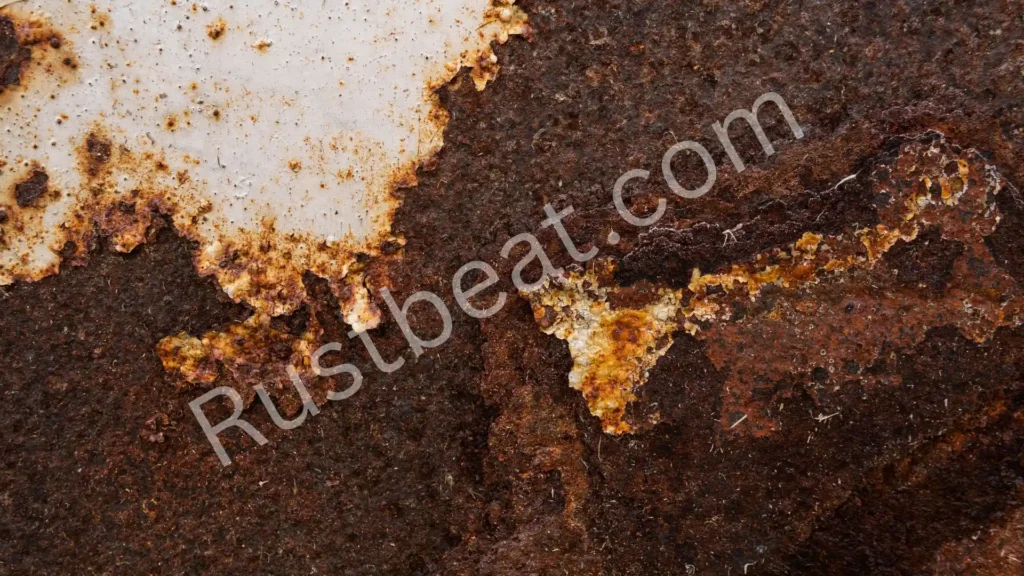
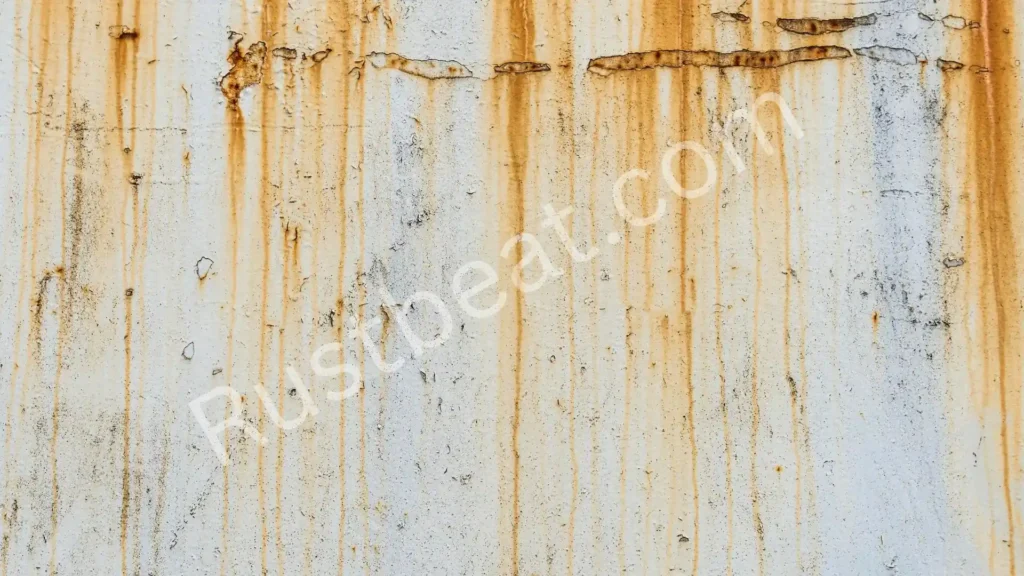
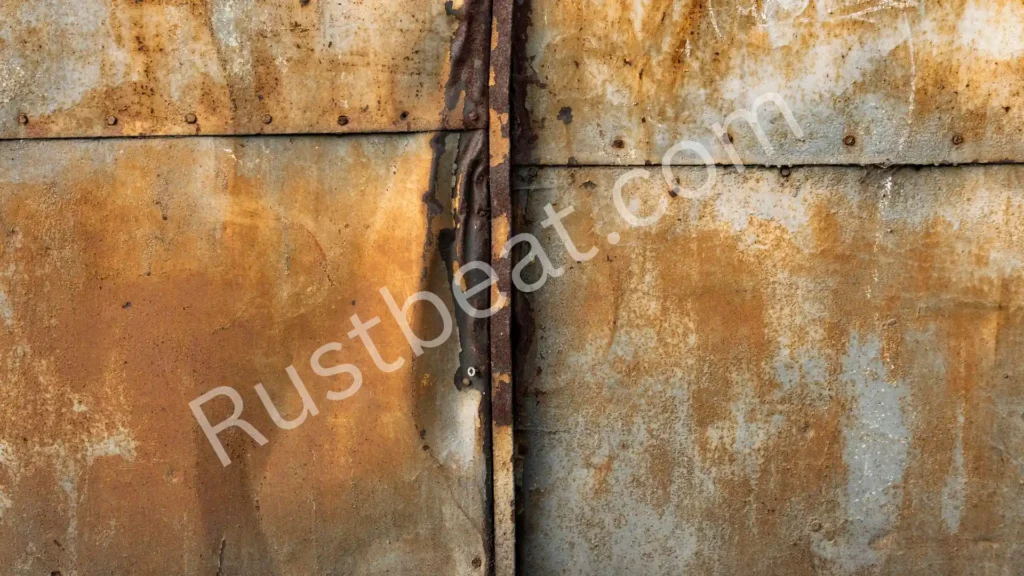
Rust is usually easy to spot. It has a reddish-brown or orange color, and over time it becomes flaky or powdery. You might also notice a rough texture or bubbling on painted metal surfaces — that is often rust forming underneath the paint.
Other types of corrosion look very different. Copper corrosion is green. Aluminum corrosion is white or gray. Silver tarnish is dark black or brown. Each metal corrodes in its own way, producing its own look.
The Three Ingredients Rust Needs
Rust is not random. It follows a specific recipe. For rust to form, three things need to be present at the same time:
- Iron or steel — the metal itself
- Oxygen — usually from the air
- Water or moisture — even humidity in the air counts
Take away any one of these three things, and rust cannot form. This is the whole foundation of rust prevention. When you paint a metal surface, you are cutting off its contact with water and air. When you galvanize steel (coat it with zinc), you are giving the metal a sacrificial outer layer that corrodes in place of the steel underneath.
This three-ingredient model also explains why rust is so common in humid or rainy climates, near the ocean (where there is salt water in the air), and in places where metal is regularly exposed to moisture — like car undercarriages, outdoor furniture, and plumbing.
Why Does This Difference Actually Matter?
It matters for a few practical reasons.
It Changes How You Treat the Problem
If you know what type of corrosion you are dealing with, you can treat it the right way. Rust removers and converters are designed for iron oxide — they work on rust, not on other forms of corrosion. If you tried to use a rust converter on corroded aluminum, it would not work, because the chemistry is completely different.
The same goes for prevention. Rust prevention products are made to block water and oxygen from reaching iron and steel. But if you are trying to protect a copper roof or aluminum window frame, you need different products made for those metals.
It Helps You Understand What Is and Is Not at Risk
Knowing that rust only affects iron-based metals helps you make smarter choices. If you are buying outdoor furniture, knowing that aluminum or stainless steel furniture will not rust (though it may still corrode in other ways) helps you decide what to buy for a wet climate.
It also helps you stop worrying unnecessarily. If you see discoloration on a copper pipe or a copper pot, you do not need to panic about rust. That green or dark coating is normal corrosion for copper, and in many cases it is not damaging the metal at all.
It Makes You a Better Problem-Solver
When you understand that rust and corrosion are related but different, you start asking better questions. Instead of just thinking “this metal is damaged,” you start asking: What metal is this? What caused this? Is it getting worse? What can I do to stop it?
Real-Life Examples to Make It Stick
Let’s have some everyday situations and break down what is actually happening.
Your Garden Tools
You leave a metal shovel or a pair of scissors outside and forget about them. After a few weeks in the rain, you come back to find them covered in orange, flaky patches. That is rust. The tools are made of steel (iron-based), and the combination of rain and air started the oxidation process.
Had those same tools been made of aluminum, they would not have rusted. They might have shown some white, chalky corrosion over a very long time, but they would not have that orange flakiness.
An Old Statue in the Park
You walk past a green-colored bronze statue that has been sitting outside for decades. People sometimes ask if that green color is rust. It is not. Bronze is an alloy made of copper and tin. It does not contain iron. That green color is called verdigris — a type of corrosion specific to copper-based metals. It is actually a sign that the statue has weathered naturally, and that green layer often protects the metal underneath.
Your Car
Car bodies are made from steel, which contains iron. The underside of a car takes a beating — road salt, rain, mud, and moisture all collect there. Over time, rust can form and spread through the metal panels if not treated. This is why rust-proofing treatments and regular washing of the underside of your car (especially in winter) are so important.
Aluminum parts on a car — like some engine components or newer body panels on certain models — will not rust. But they can still corrode in ways that affect their performance, which is why corrosion protection in general is important, not just rust protection.
Old Copper Pipes
Copper plumbing is common in older homes. Over many years, copper pipes can develop a greenish or bluish color on the outside. This is normal corrosion. It does not mean the pipes are rusting — copper and rust have nothing to do with each other. However, certain types of corrosion can wear through copper pipes over time, causing pinhole leaks. This is called pitting corrosion, and it is a real concern in homes with very acidic water.
A Common Myth: Stainless Steel Cannot Rust
This one comes up a lot. People assume that stainless steel is completely immune to rust. It is not — but it is much more resistant than regular steel.
Stainless steel contains chromium (at least 10.5% by weight). That chromium reacts with oxygen to form a thin, invisible layer called a passive film on the surface of the metal. This layer is self-repairing — if you scratch the surface, the layer reforms on its own when exposed to air.
But stainless steel can still rust under certain conditions. If the passive film is damaged by prolonged exposure to chloride (like sea salt), harsh chemicals, or extremely acidic environments, rust can start to form. This is why stainless steel boat fittings in salt water still need care, and why stainless steel knives left wet in a drawer can eventually show rust spots.
So “stainless” does not mean “rustless” — it just means the steel is much more resistant to rust than ordinary steel.
What About “White Rust” on Galvanized Steel?
Galvanized steel is regular steel that has been coated with a layer of zinc. Zinc corrodes much more slowly than steel, and it also acts as a sacrificial layer — it corrodes first, protecting the steel underneath.
But zinc is still a metal, and it can still corrode. When galvanized steel gets wet and then cannot dry out properly, the zinc can develop a white, powdery buildup. This is called white rust. It is not rust in the traditional iron-oxide sense — it is zinc hydroxide or zinc oxide forming on the surface.
White rust is a type of corrosion, but not rust. It is an important distinction if you are trying to maintain or repair galvanized metal surfaces, because the treatment approach is different.
How Fast Does Rust Form Compared to Other Types of Corrosion?
The speed of corrosion depends on the metal, the environment, and what it is exposed to. But here are some general patterns worth knowing.
Rust forms relatively quickly compared to some other types of corrosion. In wet, salty, or humid conditions, visible rust can start to appear on bare steel within hours or days. In dry indoor conditions, it might take much longer.
Copper corrosion (patina) develops very slowly. The green coating on the Statue of Liberty took about 20 years to fully develop. Aluminum corrosion is also slow in most normal environments because of that protective oxide layer.
This is one more reason rust gets so much attention — it is fast, visible, and destructive. It is not a slow, gradual cosmetic change like the green on copper. It actively weakens the metal structure and spreads if you do not deal with it.
Quick Reference: Rust vs. Corrosion Side by Side
Here is a simple way to see how the two compare:
Corrosion applies to many metals. Rust applies only to iron and steel.
Corrosion can be slow and sometimes self-limiting. Rust spreads and keeps damaging the metal.
Corrosion can look green, white, black, or gray depending on the metal. Rust is always reddish-brown or orange.
Corrosion is the broad category. Rust is one specific type within that category.
Some corrosion protects the metal (like aluminum oxide). Rust does not protect — it makes things worse.
Coming Up
Next up: How Does Rust Actually Form? — a step-by-step look at the oxidation process, written in plain language for beginners.