


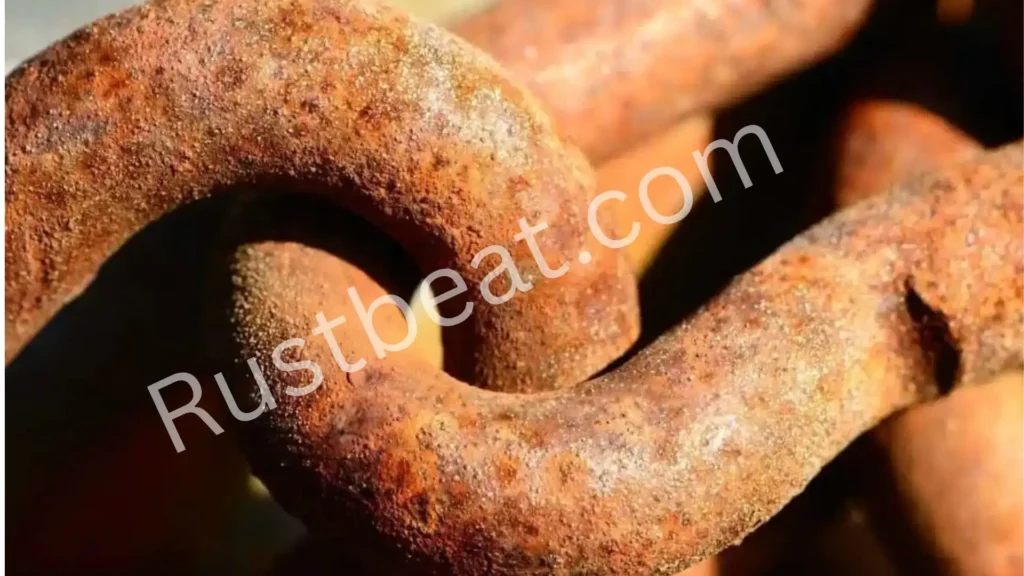
Have you seen it before? That rough, flaky, orange-brown stuff creeping across an old bike frame. The reddish crust on a nail you left outside. The dark patch spreading on the bottom of your garden gate. It looks bad. It feels rough when you touch it. And if you leave it long enough, it eats right through the metal.
But what actually is that stuff? Where does it come from? And why does it seem to show up on everything metal the moment you stop paying attention?
If you have ever asked yourself these questions — even as a passing thought while scrubbing a rusty pan — you are in the right place. This post breaks down rust from the very beginning. No complicated terms. No science textbook language. Just a clear, honest explanation of what rust is, how it works, and why it matters for the things you own every single day.
What Is Rust, Really?
At its most basic level, rust is what happens when iron reacts with oxygen and water. That is it. That is the whole story in one sentence.
But of course, there is a bit more to it than that.
When iron — or metals that contain iron, like most types of steel — comes into contact with water and oxygen at the same time, a chemical reaction begins. The iron atoms start bonding with oxygen atoms from the air and the water. Over time, this creates a new substance. That new substance is what we call rust.
The proper name for it is iron oxide. Specifically, the most common type of rust is a compound called iron(III) oxide, sometimes written as Fe₂O₃. But you do not need to remember any of that. What matters is understanding what it does: it changes the iron from a strong, solid material into something weak, crumbly, and eventually useless.
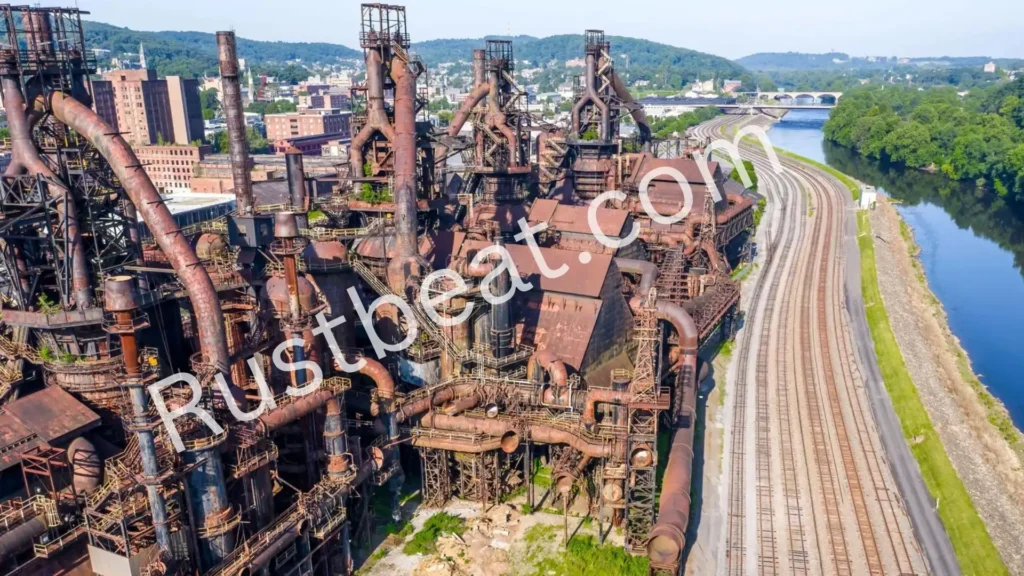
Think about what happens to a metal bridge that never gets any care or maintenance. Over years and decades, rust slowly breaks down the steel beams that hold it up. What started as a tiny orange patch spreads, deepens, and eats away at the metal from the outside in. That is rust doing its work.
Now zoom that in to everyday life. The same thing that threatens bridges is also quietly attacking your car, your tools, your lawn furniture, the pipes under your sink, and the hinges on your garden gate. Rust does not care whether something is big or small. If there is iron in it, and if water and oxygen can reach it, rust will eventually show up.
To Learn More about it : Click Now
Why Does Rust Happen?
You do not need a chemistry class to understand why rust forms. The short answer is: iron wants to go back to the way it was before people turned it into metal.
This sounds strange, but hear it out.
Iron in its natural state — the way it exists deep in the earth before anyone mines it — is not shiny and strong. It is already combined with oxygen. It exists as iron ore, which is mostly iron oxide. When people mine iron ore and use heat and energy to process it into pure iron and steel, they are pulling the iron away from the oxygen it was bonded to.
But iron never really “forgets” that it was once bonded to oxygen. Given the right conditions, it will bond with oxygen again. That process of bonding back with oxygen is called oxidation. And oxidation, when it happens to iron in the presence of water, is what produces rust.
So in a way, rust is just iron trying to return to its natural state.
Water plays a big role in making this happen faster. Water acts almost like a middleman in the reaction — it helps the iron and oxygen find each other and bond together. Without water, the reaction can still happen, but it goes much more slowly. With water, especially saltwater, the whole thing speeds up dramatically.
This is why things rust faster near the ocean, or in places with heavy rain, or during humid summers. More water in the air means more help for the rust-forming reaction.
The Role of Salt: Why Rust Loves the Coast
If you live near the sea, or if you have ever noticed that cars in coastal cities rust out faster than cars in dry inland areas, there is a reason for that. Salt makes rust happen much faster.
Here is why. When salt (sodium chloride) dissolves in water, it breaks apart into charged particles called ions. These ions make the water much better at conducting electricity. And because the chemical reaction that forms rust involves the movement of electrons between atoms — which is a kind of electrical process — saltwater massively speeds everything up.
Think of regular fresh water as a slow, casual messenger carrying the reaction forward. Saltwater is like that same messenger with a motorcycle. Everything moves faster.
This is why metal objects near the coast, or in places where roads are salted in winter, tend to rust out so much faster than the same objects kept in dry, inland conditions. The salt is not directly causing the rust — it is making the conditions much better for rust to form quickly.
If you live near the coast or in a cold climate where roads get salted in winter, this is important to keep in mind when it comes to protecting your car, outdoor furniture, and any metal tools or equipment you keep outside.
What Does Rust Look Like? Reading the Signs
Not all rust looks the same. The color, texture, and appearance of rust can actually tell you quite a bit about how far along the process is, and how serious the damage might be.
Here is what to look for.
Early-Stage Rust: The Orange Film
The first sign of rust is usually a thin, dull orange or yellowish-orange film on the surface of the metal. It might look almost like a stain or a discoloration rather than what you picture when you think of rust.
At this stage, the rust is mostly on the surface. The metal underneath is still in decent shape. This is the best time to deal with rust — before it has a chance to go any deeper.
If you catch rust at this stage, removing it and protecting the surface is usually straightforward. Many people tackle early-stage rust with sandpaper, a wire brush, or a basic rust remover product.
Mid-Stage Rust: The Flaky Patches
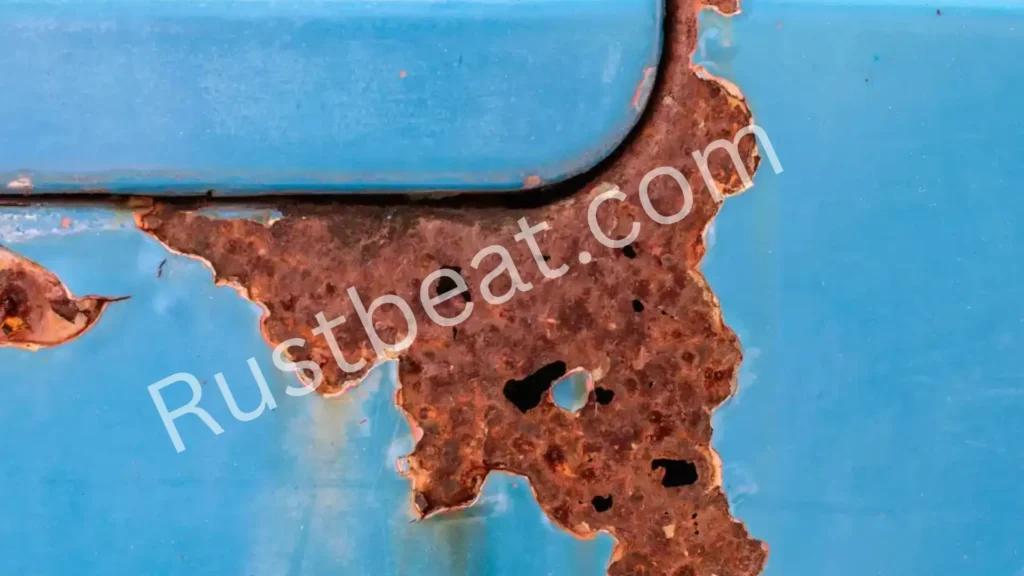
If rust goes untreated for a while, it grows. The surface starts to look rougher, and you will notice the rust is starting to flake or peel. This is because the iron oxide that forms is actually larger in volume than the original iron. As rust builds up, it physically pushes outward and starts to break away in flakes or chunks.
At this stage, the metal underneath is starting to be affected. The surface has likely pitted or become uneven. Removing the rust and fixing the damage takes a bit more effort.
Late-Stage Rust: The Pits and Holes
When rust has been left alone for a long time, it eats through the metal. You will see deep pits, thin spots, and eventually holes. The metal has lost its structural strength. At this point, the damage is serious.
For a car panel or a pipe, late-stage rust can mean the metal is no longer safe or functional. Depending on the object, the only real option may be to replace the rusted section entirely rather than try to treat it.
The Dark Rust
You might sometimes see rust that looks brown, dark red, or even almost black rather than the classic orange. This usually means the rust has formed in a low-oxygen environment — like inside a crack, under a layer of old paint, or in a spot where water tends to pool and sit.
Dark rust can actually be less aggressive than the flaky orange type in some cases, but it can also be a sign that corrosion is happening in a hidden place where you cannot easily see it. This is the kind of rust that surprises you — you think the metal looks fine, and then you poke it and find it is soft underneath.

Not All Metals Rust – Here Is Why
One of the most common questions people have when they first learn about rust is: does all metal rust?
The short answer is no. Rust, in the proper sense of the word, only happens to metals that contain iron. Aluminum does not rust. Copper does not rust. Gold does not rust. Silver does not rust.
But here is the catch: other metals do something similar, even if we do not call it rust. Aluminum oxidizes and forms a dull gray coating. Copper oxidizes and forms that familiar green patina you see on old roofs and statues. Silver tarnishes. These are all versions of the same basic process — a metal reacting with oxygen — but they are different compounds with different properties.
In some cases, the oxidized layer that forms on a non-iron metal actually protects the metal underneath. Aluminum oxide, for example, forms a tough, thin coating that seals the surface and stops the oxidation from going any deeper. This is why aluminum does not crumble and fall apart the way iron does when it rusts.
Iron oxide, unfortunately, does not work that way. It is porous and flaky. Instead of forming a protective seal, it keeps allowing water and oxygen to reach the fresh metal underneath. This is why rust spreads — it never really stops on its own.
Can Stainless Steel?
Stainless steel is one of the most misunderstood metals when it comes to rust. Many people assume that stainless steel cannot rust at all. That is not quite true.
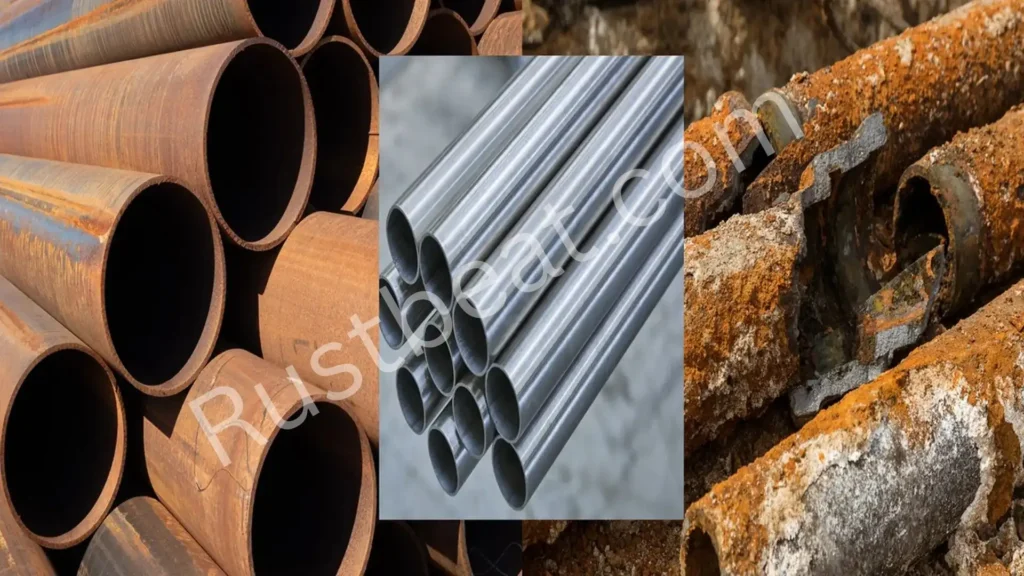
Stainless steel is an alloy — a mix of iron and other elements, most importantly chromium. The chromium in stainless steel forms a very thin, invisible layer of chromium oxide on the surface. Unlike iron oxide, this chromium oxide layer is stable, non-porous, and self-repairing. If you scratch stainless steel, the chromium oxide layer reforms on its own.
This is why stainless steel is so much more resistant to rust than regular steel. But “resistant” does not mean “immune.” Under the right conditions — prolonged exposure to saltwater, certain harsh chemicals, or damage that compromises the surface — stainless steel can and does rust.
If you have ever noticed small brown spots on stainless steel kitchen equipment or a stainless sink, you have seen this in action. It is usually not severe, but it is a reminder that no iron-containing metal is completely rust-proof.
How Fast Does Rust Spread?
There is no single answer to this because the speed at which rust spreads depends on several things. But understanding those factors helps you know when something needs urgent attention and when you have more time.
Humidity and moisture:
The biggest factor. The more moisture in the air or in contact with the metal, the faster rust forms. Objects left outside in a wet climate or near water will rust significantly faster than the same objects kept in a dry, indoor environment.
A metal tool left on a concrete floor in a damp garage will start showing rust within days or weeks. The same tool kept oiled and stored in a dry cabinet might go years with no rust at all.
Temperature
Rust forms faster in warmer temperatures. Chemical reactions generally speed up with heat, and the rust-forming reaction is no different. This is one reason why cars in warm, humid southern climates can rust out faster than cars in cold, dry northern climates — even though people often assume cold weather is harder on vehicles.
That said, winter road salt in cold climates creates its own significant rust problem, as discussed earlier.
The presence of scratches or damage:
Bare metal rusts faster than painted or coated metal. Any scratch, chip, or crack in a protective coating gives rust a direct path to the iron underneath. This is why keeping paint and coatings in good shape is one of the most important things you can do to prevent rust.
A tiny chip in your car’s paint might seem like a cosmetic issue. But left untreated, it becomes a rust starting point that can spread far beyond the original chip over the following months.
The type of metal:
Pure iron rusts faster than most types of steel. Steel alloys that include chromium, nickel, or other protective elements rust more slowly. As mentioned earlier, stainless steel is particularly resistant compared to regular carbon steel.
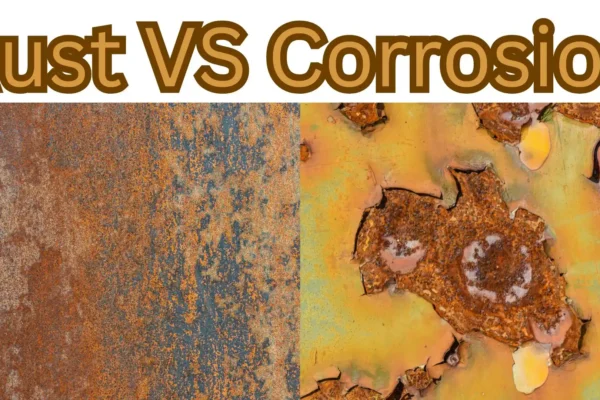
Rust vs. Corrosion:
- You might hear the words “rust” and “corrosion” used interchangeably, and in everyday conversation that is fine. But technically, they are not the same thing.
- Corrosion is the broad term. It refers to any process where a material — usually a metal — breaks down due to a chemical reaction with its environment. Corrosion can affect iron, aluminum, copper, zinc, and many other metals. It can be caused by oxygen, acids, salts, moisture, and other substances.
- Rust is a specific type of corrosion. It refers only to the corrosion of iron and iron-containing metals like steel, caused specifically by oxygen and water. All rust is corrosion, but not all corrosion is rust.
This distinction matters more in industrial settings than in everyday life. If you are talking about the orange stuff on your garden gate, calling it rust is perfectly accurate. But if you are talking about the green coating on a copper roof, or the dull gray film on an aluminum window frame, those are forms of corrosion but not rust.
Common Places Rust Shows Up at Home
You do not have to go looking for rust. If you pay attention, you will start noticing it in places you walk past every day. Here are some of the most common spots where rust turns up in and around the home.
Your car:
The underside of a car is one of the most rust-prone areas you will find. It is constantly exposed to moisture, road salt, mud, and gravel chips. Most people never look under their car, which is exactly why rust can get a serious foothold before anyone notices.
Other common rust spots on cars include around the wheel arches, along the bottom edges of doors, at the base of the windshield, and anywhere the paint has been chipped or scratched.
Garden tools:
Shovels, forks, trowels, and shears are especially prone to rust because they are regularly in contact with wet soil and are often stored without being dried or oiled first. Even a single season of heavy use without proper care can leave tools looking rough.
Cast iron cookware:
Cast iron pans and pots are fantastic for cooking but are famously sensitive to rust. They need to be dried completely after washing and seasoned regularly with a thin layer of oil. Leaving a cast iron pan in the dish rack with water sitting in it is a reliable way to end up with rust spots.
Outdoor furniture:
Metal garden chairs, tables, and frames are exposed to rain, morning dew, and humidity for months at a time. Even furniture sold as “weather resistant” will eventually rust if the protective coating gets scratched or worn.
Pipes and plumbing:
Old iron or steel water pipes can rust from the inside, especially in homes with older plumbing. You might notice this as reddish-brown water coming from the tap, or as a metallic taste in your water. This is not just an aesthetic problem — rusty pipes can eventually leak or fail.
Door and window hardware:
Hinges, handles, screws, and lock mechanisms on exterior doors and windows are often forgotten when people think about rust. But they are regularly exposed to rain and humidity, and once rust starts on a hinge, it can cause the hinge to seize up and become difficult or impossible to move.
Nails and screws:
This is one of the most overlooked places rust shows up. The nails and screws holding your deck, fence, or garden structures together are constantly wet during rain and exposed to humidity the rest of the time. When they rust, they can weaken the connection they were making, leave unsightly rust stains running down the wood, and become difficult to remove if you ever need to replace them.
Why Rust Matters More Than You Might Think
It is easy to write off rust as just an ugly cosmetic issue. But rust is genuinely destructive. It does not just make things look bad — it makes them weaker, less reliable, and eventually unsafe.
The structural problem:
Iron and steel get their strength from the arrangement of metal atoms packed tightly together. When rust forms, it replaces solid metal with a porous, crumbly compound that has very little strength. A rusted beam, pipe, or bracket can fail suddenly and without much warning.
This is why rust is taken so seriously in civil engineering. Bridges, buildings, and industrial equipment are inspected regularly for rust specifically because a rusted structural element can fail catastrophically.
On a smaller scale, the same principle applies to things like the frame of a car, the legs of a piece of outdoor furniture, or the structural screws in a deck. When rust goes deep enough, the object is no longer safe to use.
The cost problem:
Rust costs money. A lot of money. Estimates from various engineering and materials organizations suggest that corrosion costs economies hundreds of billions of dollars every year when you add up damaged infrastructure, vehicle repairs, industrial equipment failures, and maintenance costs.
For regular people, rust means replacing tools that could have lasted decades, dealing with car repairs that would not have been necessary with a bit of prevention, and paying for plumbing work caused by corroded pipes.
A small amount of attention and prevention almost always costs far less than repairing or replacing something that has been allowed to rust badly.
The safety problem:
Beyond cost and appearance, rust can create genuine safety risks. A rusted brake line on a car can fail. A rusted support bracket can give way. Rusty water pipes can contaminate drinking water. Old, rusted tools can snap unexpectedly.
None of this is meant to be alarming. Most everyday rust is cosmetic or minor. But it is worth understanding that ignoring rust — especially on things that bear weight or carry water — is not just a matter of aesthetics.
A Few Things People Often Get Wrong About Rust
Rust is one of those topics where a lot of myths and misunderstandings float around. Here are some of the most common ones worth clearing up.
“If I paint over it, the rust will stop”
This is one of the most persistent rust myths. Painting over rust without treating it first does not stop rust — it just hides it. Rust continues to form underneath the paint, and eventually the paint bubbles up and peels away, often making the situation worse because water can now get trapped between the paint and the rusted surface.
To properly stop rust with paint, you need to remove the rust first, or use a rust-converting primer that chemically neutralizes the rust before you paint over it.
“Stainless steel never rusts”
As touched on earlier, stainless steel is highly resistant to rust but not immune to it. Under the right conditions, it will develop rust. Saltwater environments, scratches that damage the protective oxide layer, and certain cleaning chemicals can all lead to rust on stainless steel.
“Rust only happens outdoors”
Rust absolutely happens indoors too. Cast iron cookware left wet, tools stored in damp basements, bathroom fixtures, pipes under the sink — all of these can rust in indoor environments if the humidity is high enough or if water is regularly in contact with the metal.
“A little surface rust is nothing to worry about”
Sometimes this is true. Light surface rust on something like a cast iron pan or a garden tool is usually easily removed and does not indicate deep damage. But surface rust left alone will progress to deeper rust, and in structural or mechanical contexts even surface rust deserves attention before it develops further.
What You Can Do About Rust:
This post is focused on understanding what rust is rather than getting deep into removal and prevention techniques — those are topics covered in detail in other sections of Rust Beat. But it is worth giving a quick overview of the main approaches, just so you have a sense of what options exist.
- Removal: Rust can be removed mechanically (sanding, wire brushing, grinding) or chemically (using rust remover products, rust converters, or acids like white vinegar or citric acid). The right approach depends on how much rust there is and what kind of object you are dealing with.
- Prevention: The most effective prevention is keeping moisture away from metal. This means protective coatings like paint, oil, wax, or specialized rust-inhibiting products. It also means drying tools before storing them, keeping cars waxed, and fixing paint chips promptly.
- Conversion: Rust converters are products that react chemically with rust and turn it into a stable, non-reactive compound. They are useful when complete rust removal is not practical, as they stop the rust from spreading and give you a surface you can paint over.
- Replacement: When rust has gone deep enough that the metal has lost its integrity, the only real fix is to replace the rusted part entirely. This is common with badly rusted car panels, pipes, and structural supports.

1 Comment on "What Exactly Is That Orange Stuff on Your Metal? (Rust)"